

Late one night in Zambia, Bishop McDonald fell to his knees and wept. For more than 25 years, he had served as an influential Christian leader. He oversaw 37 churches and preached with passion and authority. He believed he was speaking truth. He believed he was faithfully preaching the gospel. His sermons were fiery and uncompromising, and yet, they were often marked by condemnation, rather than compassion.
Then Bishop McDonald attended an Equipping Life-Giving Trainers workshop facilitated by LIFE International. During the training, he encountered a gospel-centered vision of leadership shaped by the Father’s heart for life—one that joined biblical truth with compassion, restoration, and care for the vulnerable. Intrigued and unsettled, he returned to his room that evening and continued studying the material on his own.
As he read, the Holy Spirit began exposing the consequences of the leadership he had endorsed for years.
Bishop McDonald remembered the policies enforced throughout the churches under his authority. Girls who became pregnant outside of marriage, even through rape, were required to stand before their congregations and publicly repent. Some were labeled demons or prostitutes. Others were expelled from the church, denied care when they became sick, or told they were condemned to hell.
He recalled one young woman in particular
She had appeared before a church board chaired by Bishop McDonald and reported that the son of a church leader had raped her. Rather than surrounding her with care, pursuing justice, and helping her heal, the board disciplined her.
She went home, drank poison, and died.
Her story was not the only one. At least 26 young women had died by suicide after enduring this kind of public shame, rejection, and condemnation. Bishop McDonald had also enforced church ordinances denying funerals to those who died by suicide and declaring them condemned to hell, compounding the grief of their families.
That night, alone with the Spirit in his hotel room, Bishop McDonald finally saw the devastation clearly.
The weight of it brought him to the floor. For hours, he wept and repented before the Lord. He began to understand that life-giving leadership does not abandon truth, but expresses it through the healing, forgiveness, justice, and freedom found in the gospel.
He must return to the people he had harmed
His grief was profound, but it did not leave him paralyzed. God gave him a new conviction: He must not merely preach differently. He must return to the people he had harmed, confess his sin, and seek forgiveness.
When the training ended, Bishop McDonald began traveling to each of the 37 churches under his leadership in his home country of Malawi. Standing before congregation after congregation, he publicly repented and asked the people to forgive him.
He also created opportunities for individuals and families to tell him how church leaders and policies had wounded them. As he listened, confessed, and sought reconciliation, people who had carried years of pain began long-overdue journeys toward healing.
For many, it was an extraordinary sight: a bishop who had once exercised authority through condemnation was now humbling himself before those he had led.
His repentance began changing more than his own ministry. As Bishop McDonald preached the gospel through the lens of God’s heart for life, members of his congregations began confessing their own sins, forgiving one another, and pursuing reconciliation.
During one gathering, a pregnant woman stood and shared that her husband had left her. Frightened and uncertain, she had gone to a witch doctor seeking an abortion. But after hearing Bishop McDonald’s message about the value of life, she turned away from that decision and committed to carrying her child.
“God is the author of life,” she declared, “and He will take care of this [baby].”
The impact continued to spread
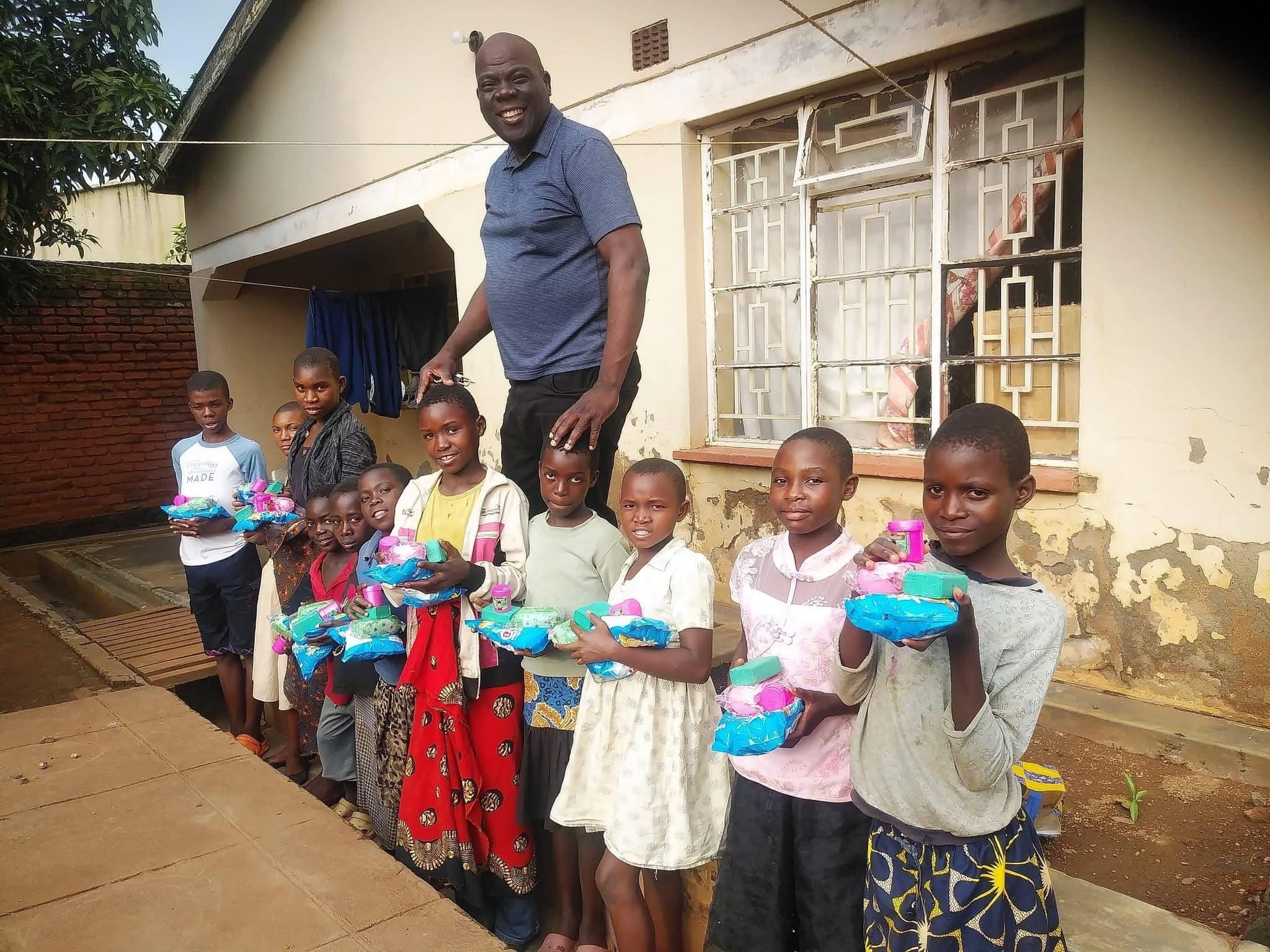
Within one year, Bishop McDonald had carried this life-giving message to prison chaplains and inmates, pastors and denominational leaders, students in secondary schools and universities, and leaders serving in refugee camps. At least 2,600 people have been directly reached as he shared what God had taught him and equipped others to carry the message forward.
Today, renewed joy is evident in Bishop McDonald’s voice and smile. Every sermon he preaches is now rooted in the gospel and the Father’s heart for life. He knows that intersection is where transformation happens because he has experienced it himself and so has his church members.
This is how discipleship multiplies
Through a few days of discipleship, God transformed one leader. That leader returned to 37 churches. Those churches began carrying a message of life into congregations, prisons, schools, universities, and refugee camps.
One leader receives truth, lives it, and places it into the hands of others. From one person to a church, from a church to a community, and from a community to a nation, the gospel moves outward as more people come to understand and reflect the Father’s heart for life.
In Malawi, the ripple effect has only begun.